
The Sensory Den

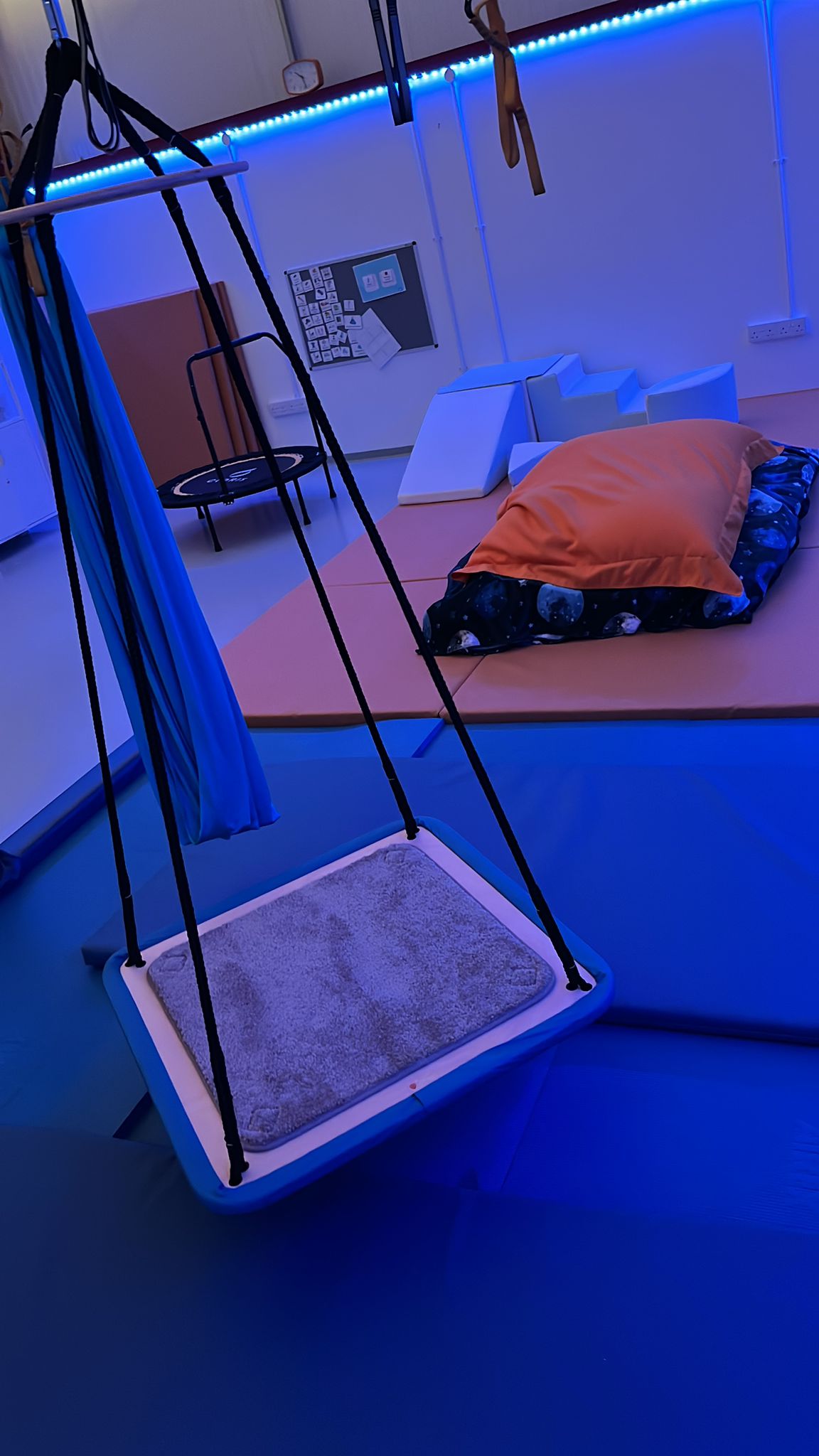
The Sensory Den is our sensory integration clinic in Lincoln.
Our space is equiped with specialist equipment to enable us to provide the highest quality assessments and treatments.
What's on in The Sensory Den?
Ready to find out more?
Please send us your enquiry.
A sensory integration assessment is a comprehensive evaluation conducted by an occupational therapist to understand how the child processes and responds to sensory information such as touch, movement, sound, sight, and body awareness. This assessment helps identify sensory processing challenges that may be affecting the child's behaviour, learning, motor skills, or ability to participate in daily activities.
The assessment typically includes:
- Parent/Caregiver Interview: To gather developmental history, concerns, and observations of the child’s behaviour in different environments.
- Standardised Questionnaires: Such as the Sensory Processing Measure (SPM-2) or Sensory Profile, completed by parents and/or teachers to provide insight into how the child functions in daily settings.
- Clinical Observations: The therapist observes the child during play or structured tasks to assess sensory responses, motor planning, coordination, and attention.
- Standardised Testing: Tools like the Sensory Integration and Praxis Tests (SIPT) or other motor and sensory-based assessments may be used to evaluate specific sensory systems and integration skills.
The results help create a detailed profile of the child’s sensory strengths and challenges, guiding individualised intervention strategies or therapy plans to support functional skills and participation in everyday life.
Sensory Integration Therapy helps children who struggle with processing and responding to sensory information - such as touch, sound, movement, and body awareness - more effectively. At our clinic, this therapy supports improved focus, emotional regulation, coordination, and daily functioning by gently guiding children through structured, play-based activities tailored to their unique sensory needs. It’s especially beneficial for children to help them feel more comfortable and confident in their everyday environments.
Our virtual sensory screening uses the Sensory Processing Measure-2 (SPM-2) and offers a convenient and effective way to identify sensory processing challenges in children. This standardised tool helps parents and caregivers gain valuable insight into how their child responds to everyday sensory experiences across multiple environments. Early identification through this screening can guide appropriate interventions, support school readiness, and improve overall participation in daily activities laying the foundation for more targeted and effective therapy if needed.
A sensory diet is a personalised set of sensory activities designed to help children stay focused, calm, and organised throughout the day. Created by our occupational therapists, these routines support the unique sensory needs of each child, whether they require calming input, alerting activities, or improved body awareness. Sensory diets can be easily integrated into daily routines at home, school, or in the community, helping children better manage transitions, reduce meltdowns, and improve attention and participation in everyday tasks.
Sensory Attachment Intervention (SAI) Informed Therapy is a specialised therapeutic approach designed to support children who have experienced early trauma, attachment disruptions, or developmental challenges that impact how they process sensory information and form relationships. It integrates principles from both sensory integration therapy and attachment theory, recognising that sensory regulation and emotional connection are deeply linked.
In SAI-informed therapy, the therapist works to help children develop the ability to regulate their sensory and emotional states, which is essential for feeling safe, calm, and connected to others. This often involves play-based, body-centered activities that promote trust, co-regulation, and attunement between the child and caregiver. The therapy also educates and empowers caregivers to better understand and respond to their child's sensory and attachment needs, strengthening the parent-child relationship and improving the child’s capacity for learning, self-regulation, and social engagement.
This approach is particularly beneficial for children with histories of neglect, trauma, foster care, or adoption, as well as those with complex sensory processing or emotional regulation difficulties.
"Nobody can go back and start a new beginning, but anyone can start today and make a new ending.”
- Maria Robinson